Sleep for Men: Snoring, Sleep Apnea, Stress and Work
By Satyavadan Prakhya · November 3, 2026 · 7 min read
Men need the same 7–9 hours as women, but many get far less – and are much less likely to see a doctor about it. Men also have a higher risk of sleep apnea, which is often brushed off as “just snoring”. Here's what matters at each age, for men who work, run businesses, or are at home.
Sleep benchmarks for men
| Age | Target | Common sleep challenges |
|---|---|---|
| Teen boys (14–17) | 8–10 h | Gaming and phones late at night, late body clock |
| 18–25 | 7–9 h | Irregular hours, energy drinks, all-nighters |
| 26–45 | 7–9 h | Career stress, young children, weight gain and snoring starting |
| 46–64 | 7–9 h | Sleep apnea, night-time urination, blood pressure and diabetes |
| 65+ | 7–8 h | Lighter sleep, prostate-related waking, medicines |
Snoring and sleep apnea
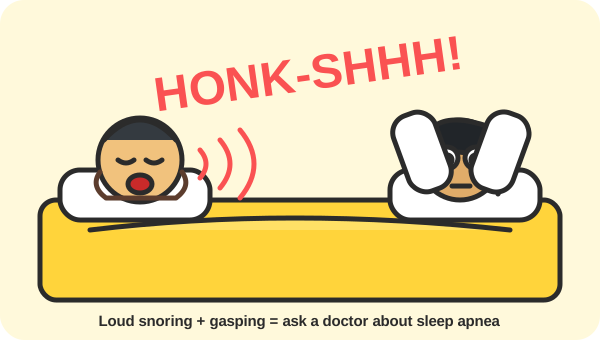
Not all snoring is apnea, but these signs together should prompt a check-up: loud snoring most nights, your partner noticing pauses or gasps, morning headaches, dozing off in meetings or while driving, a collar size that's gone up, or blood pressure that's hard to control.
- Losing even a little weight, avoiding alcohol in the evening and sleeping on your side can reduce snoring.
- A sleep study confirms apnea; treatment (often a CPAP machine) can dramatically improve energy, mood and blood pressure.
Sleep, hormones and health
- Research suggests that regularly sleeping too little can lower testosterone in men and affect energy, mood and libido.
- Short sleep is linked with weight gain, higher blood sugar and blood pressure – conditions many South Asian men are already at higher risk of.
- Waking several times a night to urinate becomes more common after 50; mention it to your doctor (it can relate to the prostate, diabetes or even sleep apnea).
Working men vs men at home
| Working men / business owners | Men at home (between jobs, retired, home duties) | |
|---|---|---|
| Main sleep thief | Long hours, late calls across time zones, work worries | No routine, long naps, stress about money or purpose, late TV/phone |
| Try this | Shutdown ritual at a fixed time; no work calls in bed; exercise earlier in the day | Keep a “work-day” wake-up time; daily walk and daylight; nap 20–30 min max before 3 PM |
| Watch for | Using alcohol to “switch off” – it worsens sleep and snoring | Low mood showing up as sleeping too much or too little – talk to someone |
Seven practical steps for men
- Fixed wake-up time, seven days a week.
- No caffeine after 2 PM; no energy drinks in the evening.
- Stop alcohol at least 3 hours before bed – or skip it.
- Exercise most days, but finish hard workouts 2–3 hours before sleep.
- Phone and laptop out of the bedroom. See our digital detox guide.
- Check weight, waist, blood pressure and blood sugar yearly.
- If your partner complains about your snoring – listen, and book the check-up.
This article is general health education, not medical advice. Sleep problems can have many causes. If you're worried about your sleep or anyone in your family, please speak to a qualified doctor.
Helpful tools
- A comfortable sleep eye mask – for daytime sleep, travel and bright bedrooms.
- A simple alarm clock – so your phone can sleep outside the bedroom.
- Why We Sleep by Matthew Walker – a popular book on why sleep matters.
As an Amazon Associate, Study Timer earns from qualifying purchases. This doesn't change the price you pay.
Rested and ready? Start a focused work session.
Open the free Study Timer →