Blog › Sleep › Sleep disorders
Common Sleep Disorders: Symptoms, Who's at Risk and Which Doctor to See
By Satyavadan Prakhya · November 3, 2026 · 8 min read
Almost everyone has a bad night now and then. A sleep disorder is different: the problem keeps coming back, and it affects how you feel and function during the day. The good news is that most sleep disorders are very treatable once they're recognised. Here are the common ones, the signs to look for, and which doctor to see.
1. Insomnia
What it is: trouble falling asleep, staying asleep, or waking too early, even though you have the chance to sleep. Doctors usually call it chronic insomnia when it happens at least three nights a week for three months.
Common in: women, people under stress, those with anxiety or depression, older adults, shift workers.
What helps: a regular wake-up time, less time awake in bed, and especially CBT-I (cognitive behavioural therapy for insomnia) – a short, structured talking-and-habits therapy that sleep guidelines recommend as the first treatment. Sleeping pills may be used short-term only under a doctor's care.
2. Obstructive sleep apnea (OSA)
What it is: the throat repeatedly narrows or closes during sleep, so breathing stops or becomes shallow for a few seconds, many times a night.
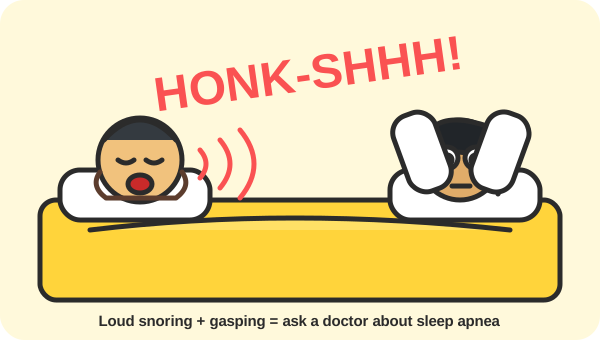
Signs: loud, regular snoring; a partner noticing pauses, choking or gasping; waking with a dry mouth or headache; feeling very sleepy in the day; needing to pass urine often at night; high blood pressure that's hard to control.
Common in: men, people carrying extra weight (especially around the neck), older adults, women after menopause, and people who drink alcohol in the evening. Women often have “quieter” symptoms – tiredness, insomnia, morning headaches – so it's missed more often.
Why it matters: untreated apnea is linked with high blood pressure, heart disease, stroke, type 2 diabetes and drowsy-driving accidents.
Tests and treatment: a sleep study (overnight in a lab, or a simpler home test). Treatment may include a CPAP machine, weight loss, avoiding alcohol at night, sleeping on your side, or a dental device.
3. Restless legs syndrome (RLS)
Signs: an uncomfortable urge to move the legs in the evening or at rest, often with crawling or tingling feelings, eased by moving or walking.
Linked with: low iron stores, pregnancy, kidney disease and some medicines. Ask your doctor to check your iron (ferritin) level.
4. Circadian rhythm problems
Delayed sleep phase – a body clock that runs late, so you can't sleep before 1–2 AM and struggle to wake. Very common in teenagers and young adults. Advanced sleep phase – sleepy very early in the evening and waking at 3–4 AM, more common in older adults. Shift work disorder and jet lag also belong here. Light timing, regular schedules and sometimes doctor-guided melatonin can help.
5. Narcolepsy
Signs: overwhelming daytime sleepiness and sudden “sleep attacks”, sometimes with brief muscle weakness when laughing or surprised (cataplexy), vivid dreams when falling asleep, or sleep paralysis. It often begins in the teens or twenties and is frequently mistaken for laziness. See a neurologist or sleep specialist.
6. Parasomnias
Sleepwalking, sleep talking and night terrors are common in children and usually outgrown. In adults over 50, acting out dreams – shouting, punching or kicking in sleep – can be a sign of REM sleep behaviour disorder and should be checked by a neurologist.
7. Teeth grinding (bruxism)
Jaw pain, worn teeth or headaches on waking. Often linked to stress, and sometimes to sleep apnea. A dentist can fit a night guard.
Red flags: see a doctor soon
- Someone has seen you stop breathing or gasp in your sleep.
- You've fallen asleep while driving or at work.
- You fall asleep suddenly in the middle of activities.
- You act out dreams or hurt yourself or your partner in sleep.
- Poor sleep comes with very low mood, hopelessness or thoughts of self-harm – please seek help urgently.
Which doctor to see
| Problem | Start with | Specialist they may refer you to |
|---|---|---|
| Any ongoing sleep problem | Family doctor / GP | Sleep medicine specialist |
| Loud snoring, breathing pauses, gasping | Family doctor | Sleep specialist or pulmonologist (chest physician); ENT for nose and throat |
| Insomnia with stress, anxiety or low mood | Family doctor | Psychiatrist or clinical psychologist (for CBT-I therapy) |
| Restless legs, sudden sleep attacks, acting out dreams | Family doctor | Neurologist or sleep specialist |
| Children's snoring, night terrors, bedwetting | Paediatrician | Paediatric ENT or sleep specialist |
| Hot flashes, pregnancy or period-related sleep problems | Gynaecologist | Sleep specialist if it continues |
| Teeth grinding, jaw pain | Dentist | Dentist (night guard); sleep specialist if snoring too |
📝 Before your appointment, keep a two-week sleep diary: bedtime, wake time, how long it took to fall asleep, night waking, naps, caffeine, alcohol and how you felt. Bring your partner's observations too. Doctors find this extremely useful.
This article is general health education, not medical advice. Sleep problems can have many causes. If you're worried about your sleep or anyone in your family, please speak to a qualified doctor.
Helpful tools
- A comfortable sleep eye mask – for daytime sleep, travel and bright bedrooms.
- A simple alarm clock – so your phone can sleep outside the bedroom.
- Why We Sleep by Matthew Walker – a popular book on why sleep matters.
As an Amazon Associate, Study Timer earns from qualifying purchases. This doesn't change the price you pay.
Book the check-up, then get back to what matters.
Open the free Study Timer →